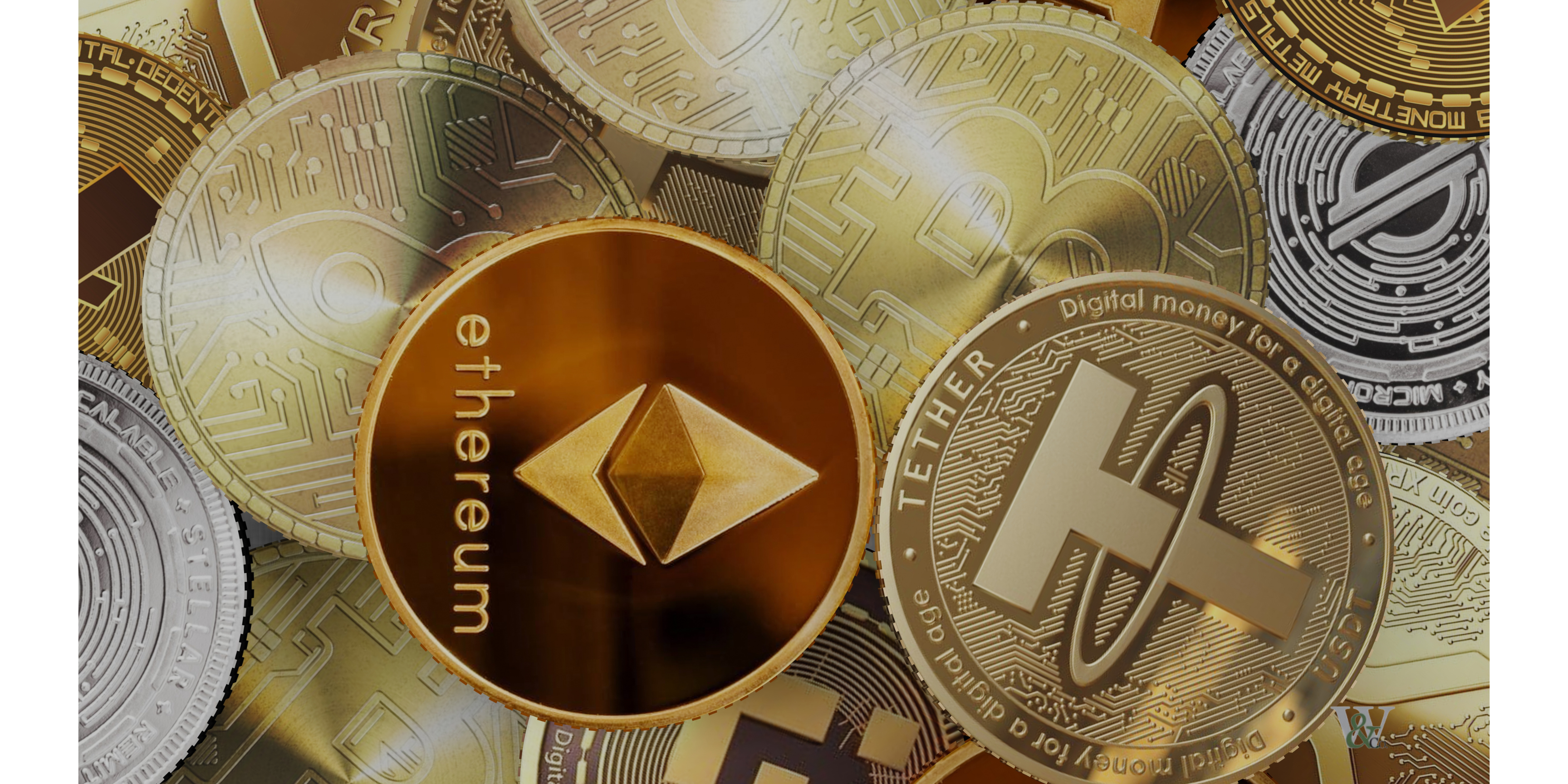
Discover when Capital Gains Tax applies to your crypto assets in the UK. Learn how to calculate gains, report taxes, and stay compliant with HMRC regulations on cryptocurrency.
As cryptocurrency grows in popularity, many investors wonder whether they need to pay taxes when selling, exchanging, or giving away crypto assets like Bitcoin. Understanding the tax implications can help you avoid penalties and stay compliant with HMRC rules.
In the UK, crypto assets are treated like property for tax purposes, which means you may need to pay Capital Gains Tax (CGT) when you sell or dispose of them. This guide explains when to check if CGT applies, how to work out your tax liability, and what records you need to keep.
When Do You Need to Pay Capital Gains Tax on Crypto assets?
You may need to pay CGT if you dispose of your crypto assets in any of the following ways:
- Selling your tokens: If you sell your cryptocurrency for a profit.
- Exchanging tokens: Swapping one type of crypto asset for another.
- Using tokens to pay for goods or services: For example, using Bitcoin to buy something online.
- Gifting tokens: Give away your tokens, except if the gift is to your spouse or civil partner. Charity donations may still trigger CGT.
If your total gains from disposing of assets, including crypto assets, exceed the annual tax-free allowance, you’ll need to report and pay CGT.
How to Calculate Your Gain
To determine if you need to pay CGT, you’ll need to calculate the gain from each transaction. This is typically the difference between the price you paid for the asset and the price you sold it for. However, if you received the crypto asset for free, you will need to use the market value at the time of the transaction.
Note: You do not need to pay CGT on any portion of your tokens that you’ve already paid Income Tax on, but you must still pay CGT on any gain made after receiving them.
Allowable Costs: When calculating your gain, you can deduct certain allowable costs, such as transaction fees, advertising costs, and contract fees. You cannot deduct costs already claimed for Income Tax or expenses related to mining, such as equipment or electricity.
You can also use capital losses from other investments to offset gains, but these must be reported to HMRC first.
Pooling the Cost of Your Tokens
For tax purposes, you must pool your crypto assets, similar to how you would pool shares. This means grouping the tokens of the same type into a pool and averaging their cost. When you sell tokens, you deduct an equivalent proportion of the pooled cost to calculate your gain.
If there is a hard fork in the blockchain, or if you buy and sell tokens within 30 days, the rules for calculating your costs will differ.
Reporting and Paying Capital Gains Tax
If you do owe CGT, there are two ways to report and pay:
- Self-Assessment tax return: File your CGT liability as part of your annual Self-Assessment.
- Real-time CGT reporting: Report and pay CGT immediately using HMRC’s online service.
If you’re a non-UK resident, the amount of CGT you owe may differ, so it’s important to check your tax obligations based on your residency status.
Keeping Records
HMRC requires you to maintain detailed records of each crypto asset transaction, including:
- The type of tokens
- Date of disposal
- Number of tokens disposed of and remaining
- Value of tokens in pound sterling
- Bank statements and wallet addresses
- Pooled costs before and after the transaction
Make sure you retain these records, as HMRC may request them during a compliance check.
Need Help?
If you’re unsure about whether you need to pay tax on your crypto assets or how to calculate your gain, we’re here to help. Contact us today for advice on navigating crypto taxes and staying compliant with HMRC.
For more information, check out HMRC’s official guidance on crypto assets. Check if you need to pay tax when you sell cryptoassets – GOV.UK (www.gov.uk)
Visit our News Hub for the latest – News – Whittaker & Co (whittakerandco.com)
info@whittakerandco.com
+44 (0) 1686 610662